
Crawl space waterproofing in Green Bay
The stack effect pulls a third of your indoor air up from the lowest point in the house, and it pulls hardest on the coldest January night. Whatever is in the crawl space does not stay there.
Who handles crawl space waterproofing in Green Bay, WI?
Green Bay Basements waterproofs and encapsulates crawl spaces across Green Bay — drainage and sump where water enters, sealed vapor barrier over soil and walls, and humidity control to protect the framing above. Call (920) 545-4548.
- Typical cost: $3,000–$12,000 in Brown County
- Soil: Kewaunee-Manawa-Poygan — silt over 5–20 ft of red lake clay, poor drainage
- Frost depth: 48" — footings and discharge lines must sit below it
- Code: Wisconsin Uniform Dwelling Code (SPS 320-325), administered by the Department of Safety and Professional Services
- Service area: Green Bay and 9 surrounding counties, 45-mile radius
The stack effect
Warm air rises and leaves through the upper floors, and the air replacing it is drawn in from the lowest point in the house. Somewhere between a third and a half of the air you breathe upstairs started in the crawl space. If that space has bare soil, standing damp and mold, you are heating and inhaling it.
Wisconsin makes this worse than it is in mild climates, because the stack effect scales with the temperature difference between inside and out. A 68-degree house over a 10-degree January night drives far more air upward than a mild autumn day does. The months when the crawl space is dampest and coldest are exactly the months the house is pulling hardest from it.
What encapsulation involves
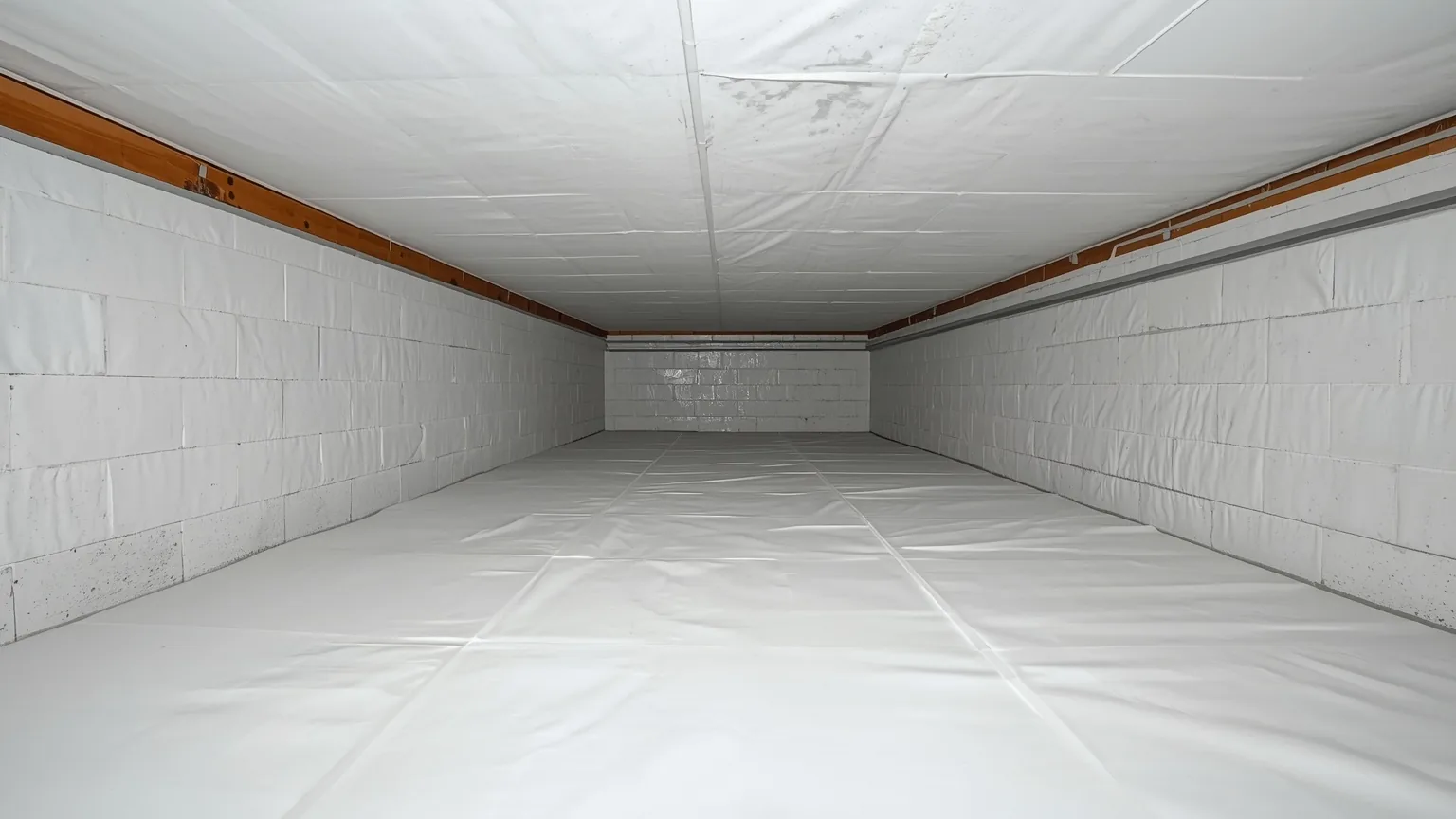
Encapsulation means a continuous reinforced liner across the entire ground and up the foundation walls, seams taped, edges mechanically fastened and sealed. Not a sheet of poly laid loose over the dirt — a sealed envelope. Where groundwater is present it is paired with a perimeter drain and a sump, because a liner over saturated soil traps water rather than excluding it.
Vents are the argument people have. Venting a crawl space works on the theory that outside air dries it, and in this climate that theory fails twice a year: in summer, humid outside air hits cool crawl-space surfaces and condenses, actively adding water; in winter, open vents dump cold air under the floor and freeze pipes. Sealing and conditioning is the modern approach and it is the right one here.
On the Door Peninsula and the eastern edge of the county, crawl spaces are often cut into shallow dolomite. Water moves through fractured rock quickly and arrives with little warning after rain, so drainage there is about handling fast intermittent volume rather than slow seepage.
Why Brown County soil drives this
Brown County sits on the Kewaunee-Manawa-Poygan soil association — a thin silty cap over calcareous red clay laid down as lake sediment by Glacial Lake Oshkosh and the Green Bay Lobe. That red clay runs roughly 5 to 20 feet thick across most of the county and is among the least permeable material a foundation can be built into.
The Manawa and Poygan members of that association are rated somewhat poorly and poorly drained — they hold water near the surface instead of passing it down, so a wet spring loads the outside of a foundation wall for weeks at a time rather than days. A saturated clay backfill can exert well over 1,000 lb of lateral force per linear foot against a block wall — enough to bow an 8-inch wall inward with no visible cause outside.
The Fox River mouth and the bay shore keep the water table shallow across the lower East and West sides, and the flat lake plain gives water nowhere to run once the clay above it has taken all it can hold. In the older core neighborhoods the problem compounds — green bay's older neighborhoods — astor, whitney park, navarino, olde north — are dominated by pre-1940 housing on block or rubble foundations built before drain tile was ever required.
Crawl Space Waterproofing questions
Does a damp crawl space really affect the house above?
Yes, and more so in this climate than most. The stack effect pulls a third to a half of your indoor air up from the lowest point in the house, and it pulls hardest when the inside-outside temperature gap is largest — mid-winter. Musty smells upstairs, high humidity, cold floors and elevated allergy symptoms often trace directly to an unsealed crawl space.
Should crawl space vents be open or sealed?
Sealed. Venting assumes outside air dries the space, which fails in both Wisconsin seasons that matter: humid summer air condenses on cool crawl surfaces and adds moisture, and open winter vents freeze pipes and drag heat out of the floor above. Sealing, insulating and conditioning the space is what actually controls moisture here.
What does crawl space work cost in Green Bay?
Crawl space encapsulation in Brown County typically runs $4,000 to $12,000 depending on square footage, access, and whether drainage and a sump are needed alongside the liner. Spaces cut into shallow rock on the eastern side of the county can cost more because there is less room to work and less soil to trench.
Related waterproofing services
Basement Waterproofing
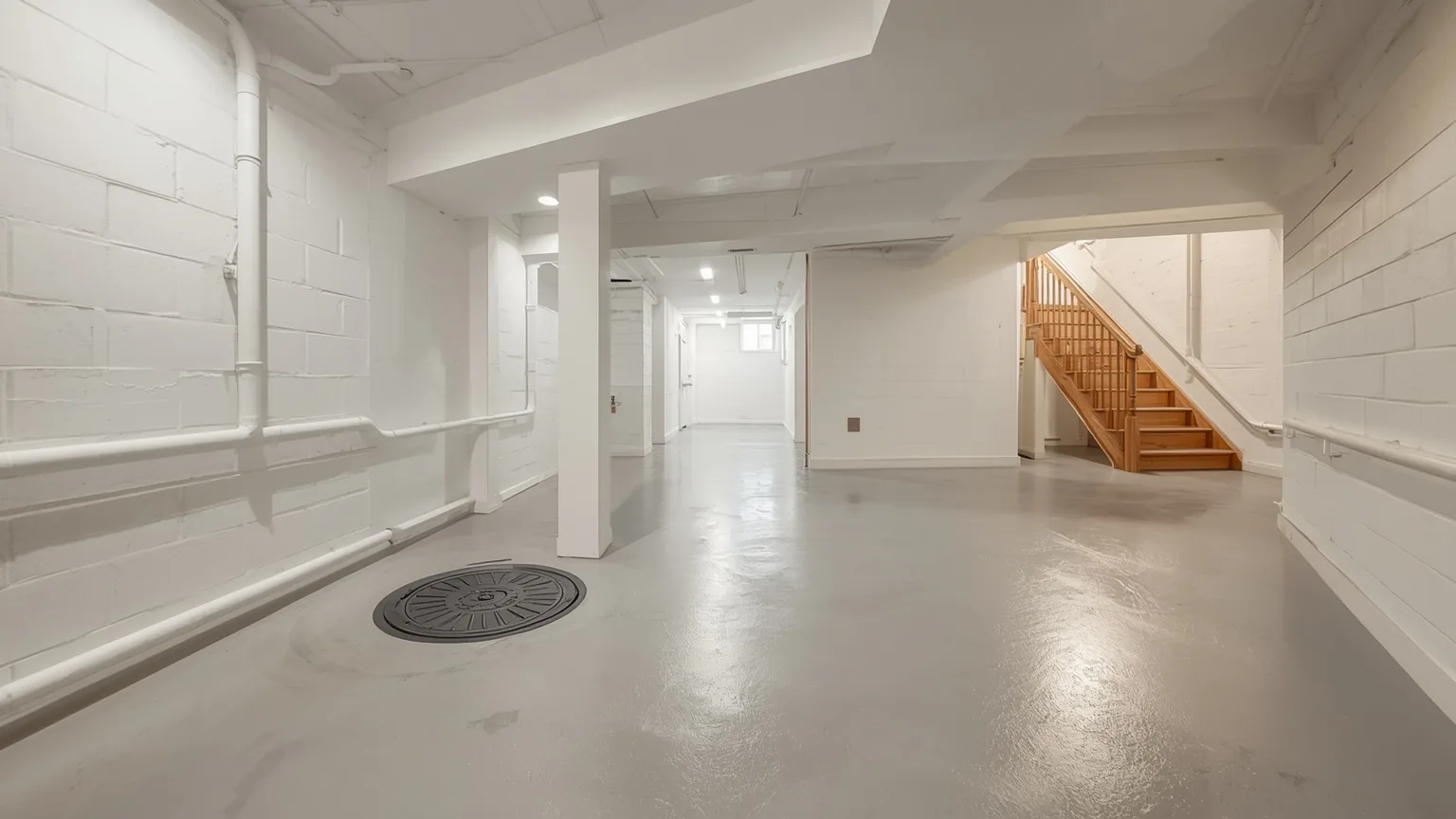
A wet Green Bay basement is a thaw problem before it is a rain problem. Fifty-five inches of snow melts into ground that has been frozen since December, and the red lake clay underneath cannot take it.
Wet Basement Repair
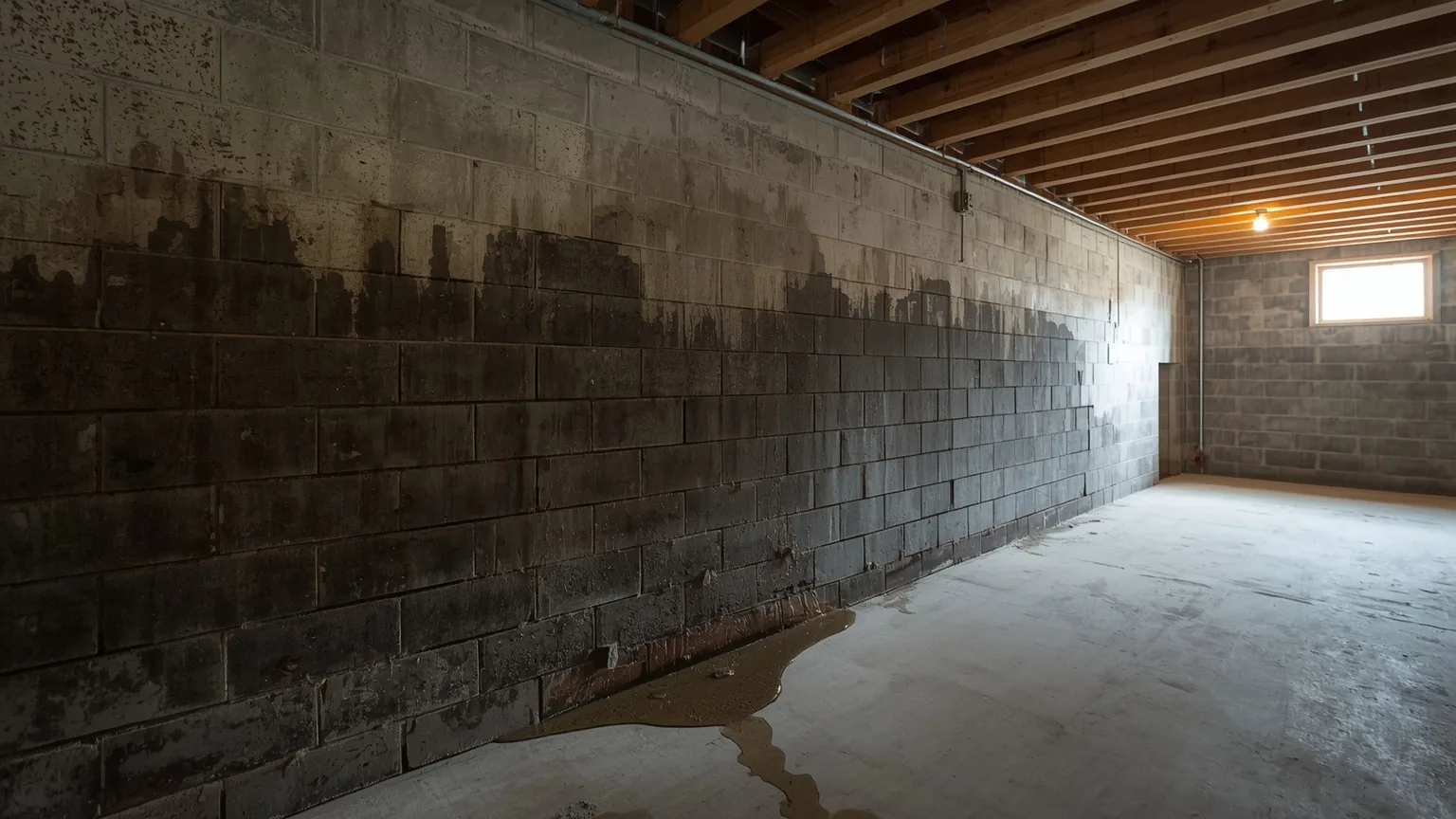
Green Bay basements leak on a trigger — a heavy rain, a saturated spring, or the thaw week when meltwater runs across frozen ground. Which trigger yours has tells you what the repair costs.
Interior Drain Tile
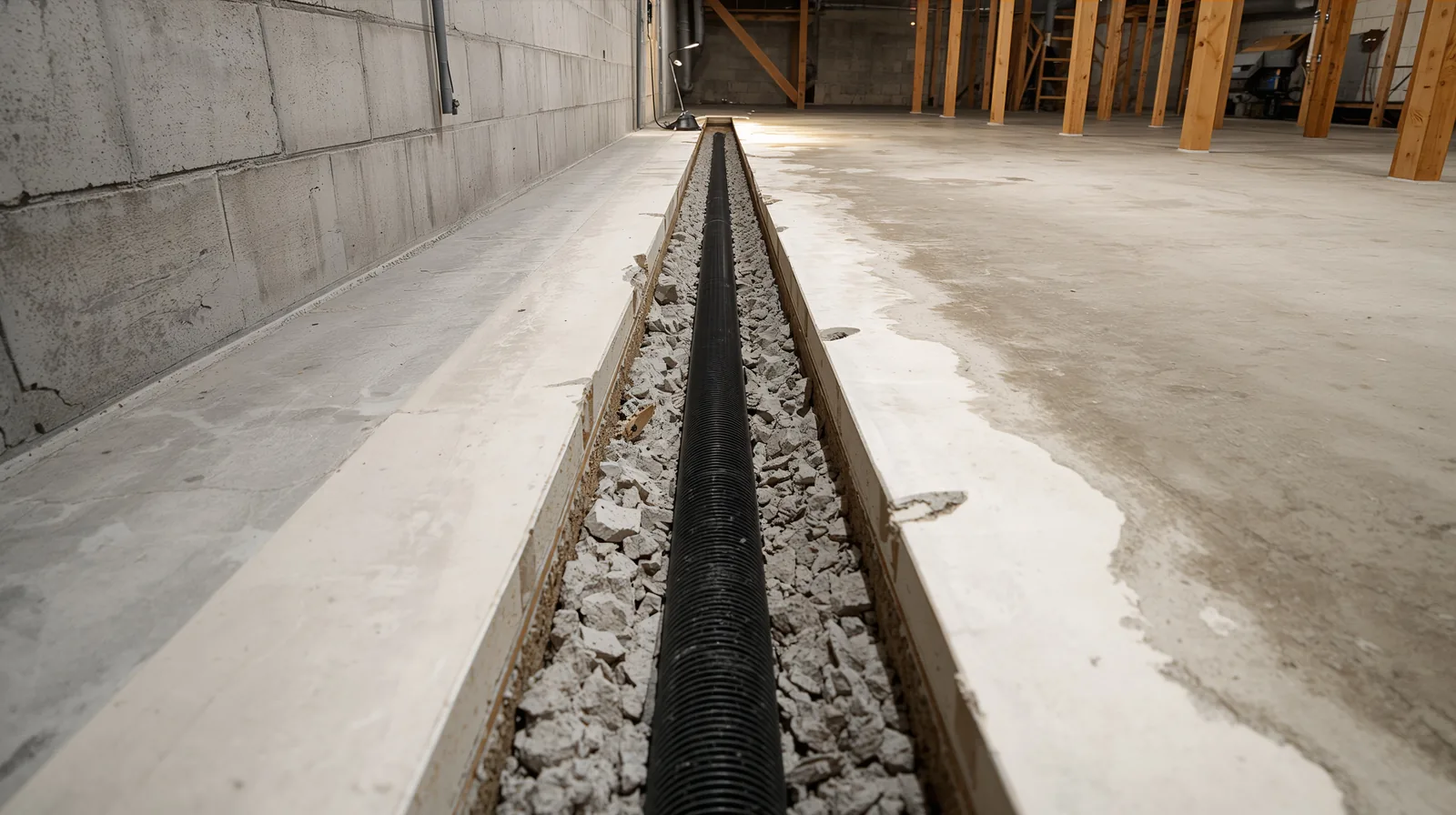
Interior drain tile is the workhorse repair for Green Bay basements. It relieves the pressure red lake clay creates without excavating the yard — and it can be installed in February.
Find out what's actually causing it.
A free on-site inspection and a written scope — before any work is quoted.