
Polyurethane foam injection in Green Bay
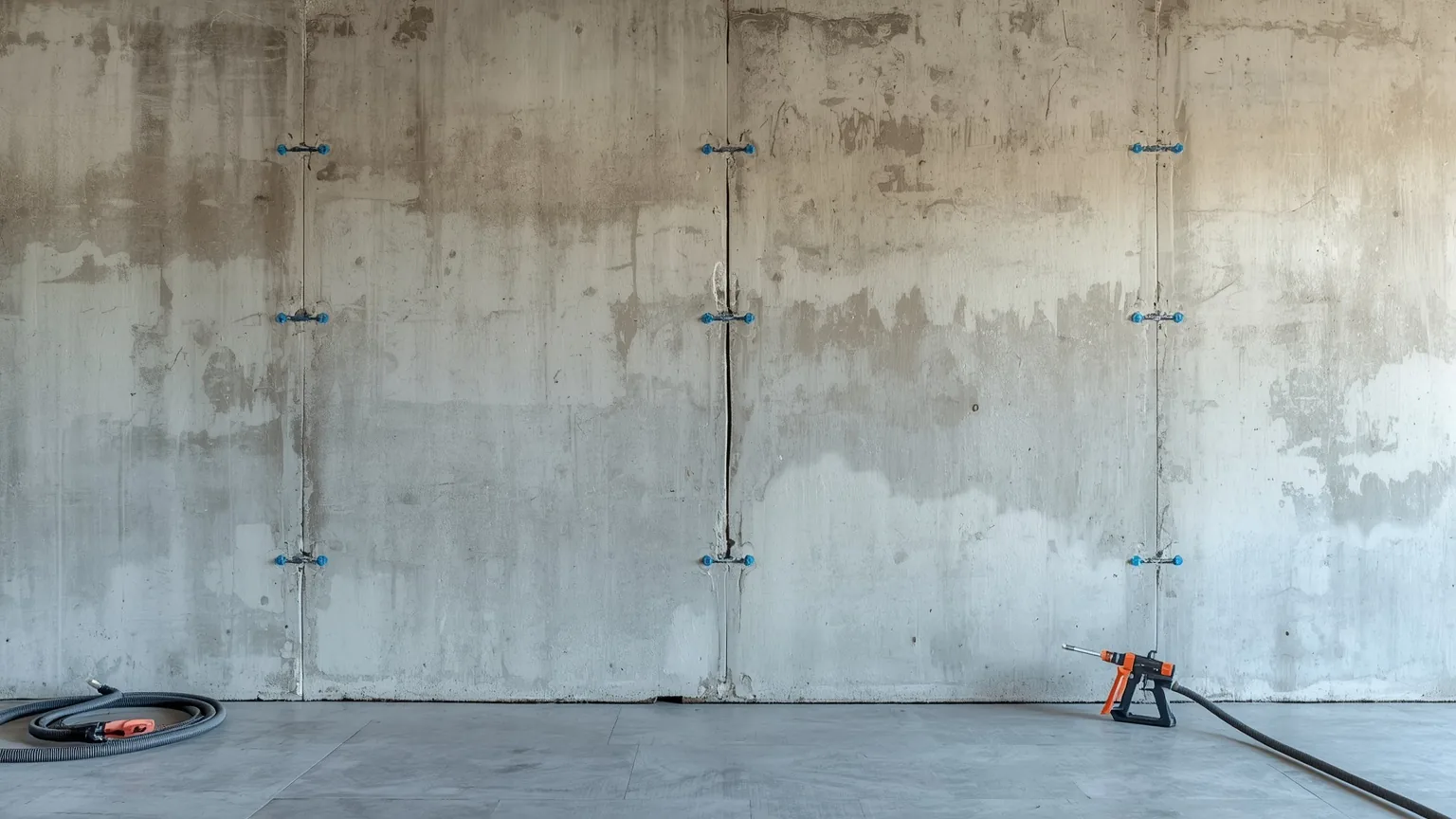
Polyurethane expands on contact with water and stays flexible afterward — the two properties that matter on ground that swells all spring and freezes to 48 inches all winter.
Who handles polyurethane foam injection in Green Bay, WI?
Green Bay Basements uses polyurethane foam injection in Green Bay to seal actively leaking foundation cracks and to fill voids beneath settled basement and garage slabs. Call (920) 545-4548.
- Typical cost: $400–$1,200 in Brown County
- Soil: Kewaunee-Manawa-Poygan — silt over 5–20 ft of red lake clay, poor drainage
- Frost depth: 48" — footings and discharge lines must sit below it
- Code: Wisconsin Uniform Dwelling Code (SPS 320-325), administered by the Department of Safety and Professional Services
- Service area: Green Bay and 9 surrounding counties, 45-mile radius
Crack sealing against active water
Polyurethane reacts with moisture and expands, which makes it the right chemistry for a crack that is actively passing water. Epoxy needs a dry surface to bond and cures rigid; injected into a wet crack it frequently fails to bond at all.
Flexibility is the other reason it suits Brown County. Red lake clay swells through a long spring and contracts as it dries, and 48-inch frost depth means the wall is also cycling through freeze and thaw well below grade. A rigid repair across a joint that moves seasonally cracks again — usually right beside the original. Polyurethane tolerates that movement.
Done properly the resin is injected under low pressure from the lowest port upward, until it appears at the port above. That sequence is how the installer knows the void through the full wall thickness is filled rather than just the visible face.
Void filling under slabs
When soil under a concrete slab consolidates, the slab is left bridging a gap and eventually cracks or drops. Expanding polyurethane injected through small ports fills that void and lifts the slab back toward level.
Against traditional mudjacking it has two advantages that matter on this ground. It is far lighter, so it does not add load to soil that already proved it could not carry what was there. And it needs much smaller injection holes, which matters on a finished floor. It also cures in minutes rather than hours, so the slab is usable the same day.
Why Brown County soil drives this
Brown County sits on the Kewaunee-Manawa-Poygan soil association — a thin silty cap over calcareous red clay laid down as lake sediment by Glacial Lake Oshkosh and the Green Bay Lobe. That red clay runs roughly 5 to 20 feet thick across most of the county and is among the least permeable material a foundation can be built into.
The Manawa and Poygan members of that association are rated somewhat poorly and poorly drained — they hold water near the surface instead of passing it down, so a wet spring loads the outside of a foundation wall for weeks at a time rather than days. A saturated clay backfill can exert well over 1,000 lb of lateral force per linear foot against a block wall — enough to bow an 8-inch wall inward with no visible cause outside.
The Fox River mouth and the bay shore keep the water table shallow across the lower East and West sides, and the flat lake plain gives water nowhere to run once the clay above it has taken all it can hold. In the older core neighborhoods the problem compounds — green bay's older neighborhoods — astor, whitney park, navarino, olde north — are dominated by pre-1940 housing on block or rubble foundations built before drain tile was ever required.
Polyurethane Foam Injection questions
What does foam injection cost?
Crack injection runs $400 to $1,200 per crack depending on length, wall thickness and whether water is running during the work. Slab void filling and lifting is priced by the area and the volume of foam required, and a small settled section is usually a few hundred to a couple of thousand dollars.
Is foam better than mudjacking?
For most residential slab work here, yes. It is lighter, so it does not reload soil that already consolidated; the injection holes are much smaller; and it cures in minutes. Mudjacking still has a place on large exterior slabs where weight is not an issue and material cost dominates.
How long does polyurethane last?
The cured foam is stable and does not break down — it should last the life of the slab or wall. What can change is the ground underneath. If the cause of the original settlement is ongoing, such as an unrepaired leak washing soil out, the same void will form again around a perfectly good repair.
Related foundation services
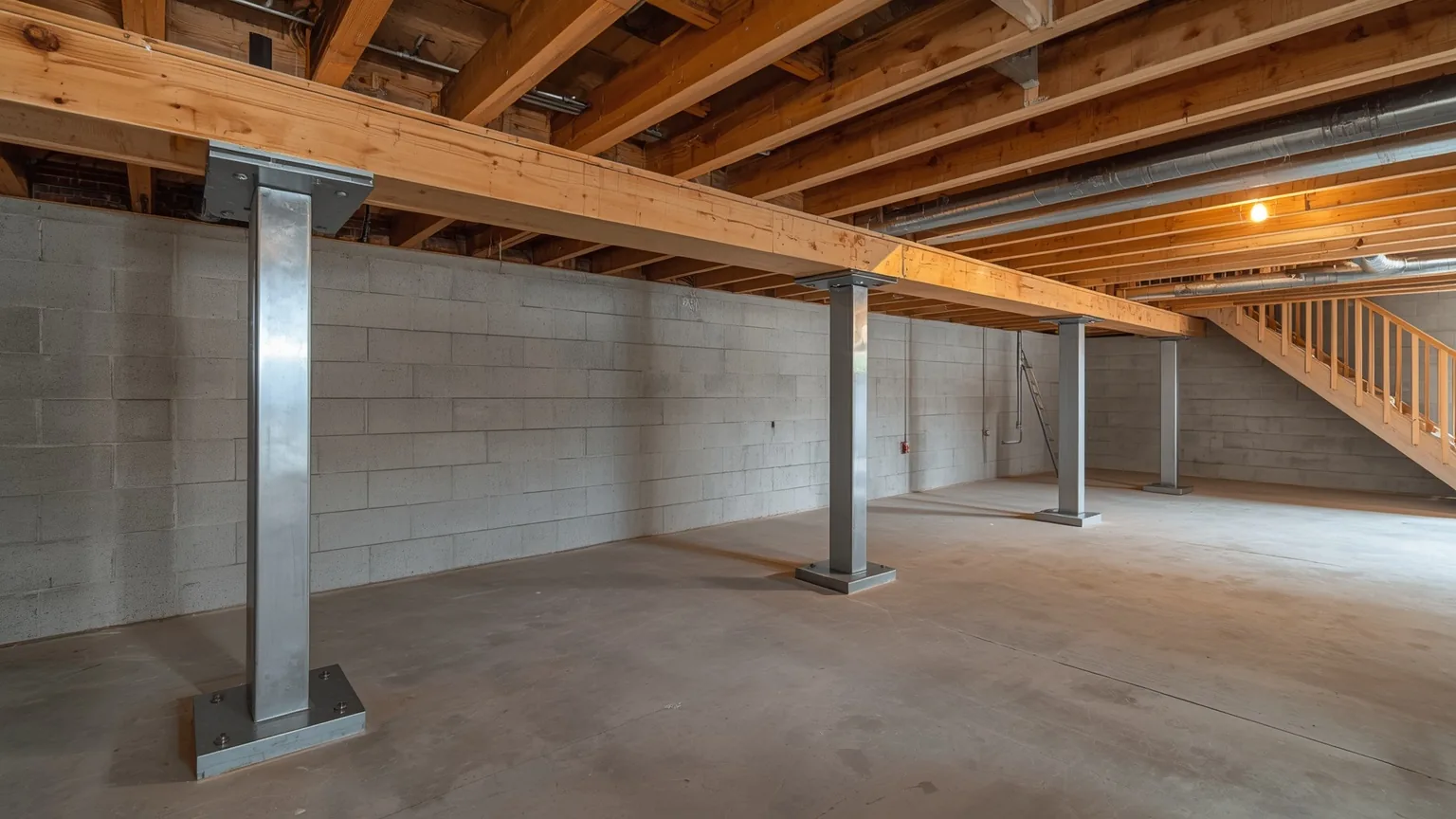
Foundation Repair
Foundation problems in Brown County come from two directions: red lake clay pushing walls inward, and soil consolidating under footings. They look different, they fail differently, and they need different repairs.
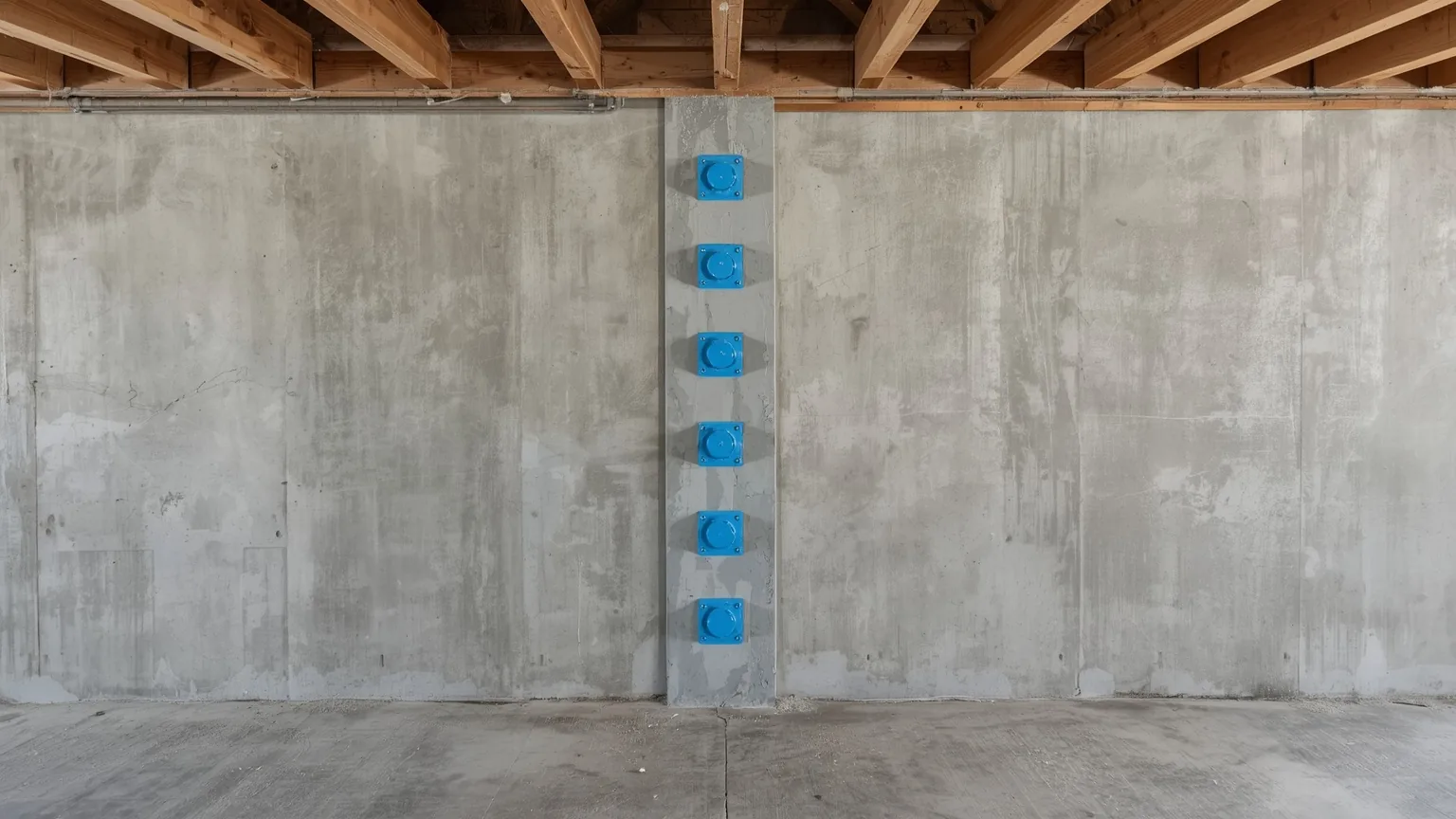
Foundation Crack Repair
Not every crack is structural, and not every crack is only a leak. Direction, width and whether it is moving tell you which one you have.
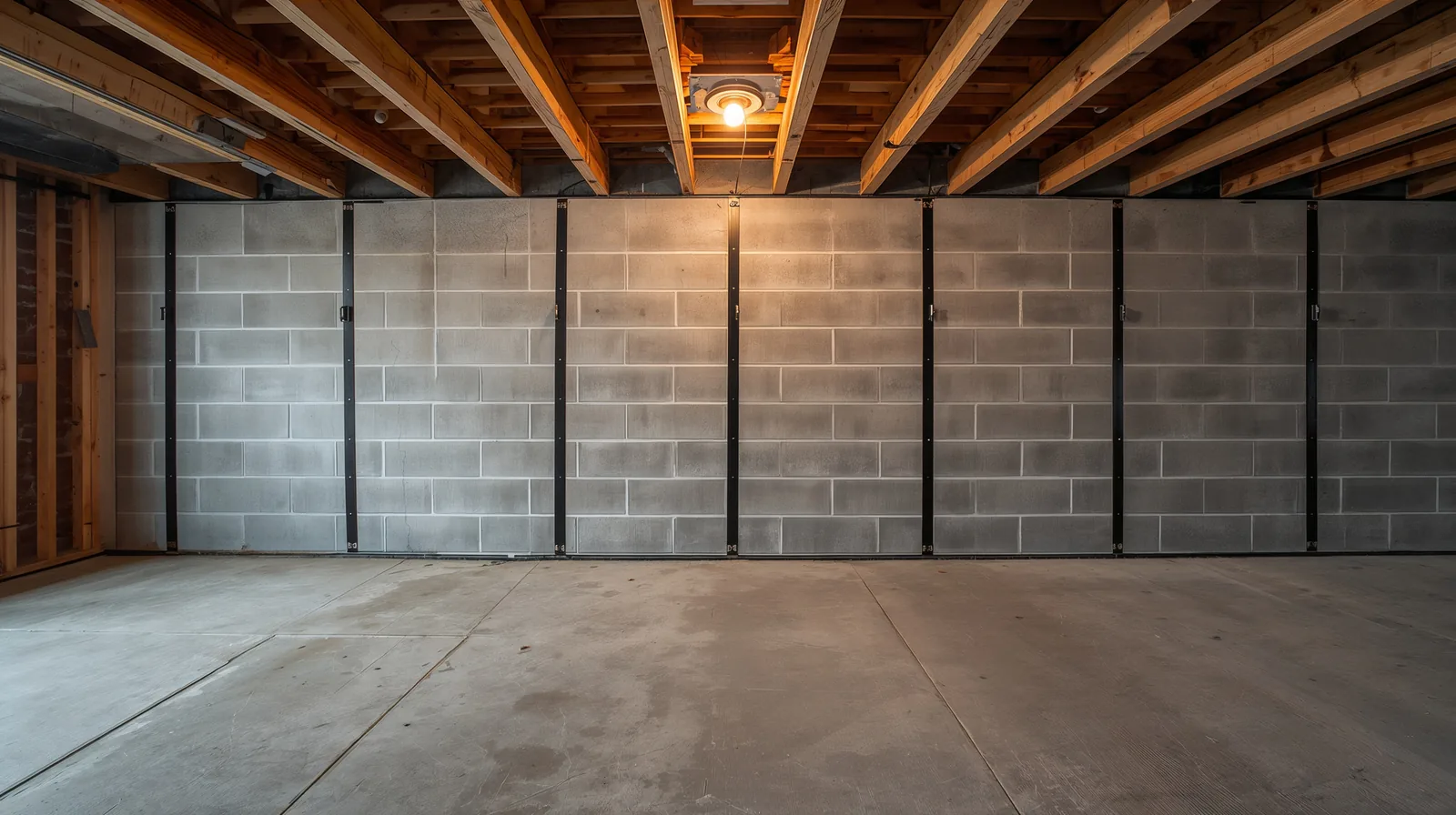
Bowing & Basement Wall Repair
Red lake clay leans on a wall for the length of a Green Bay spring, then frost locks in whatever ground it gained. Bowing walls move in a ratchet — a little more every year.
Find out what's actually causing it.
A free on-site inspection and a written scope — before any work is quoted.