
Water in your basement after rain — Green Bay
How long after the rain the water shows up is the most useful free diagnostic you have. In Green Bay there is a third pattern too — water during the thaw, with no rain at all.
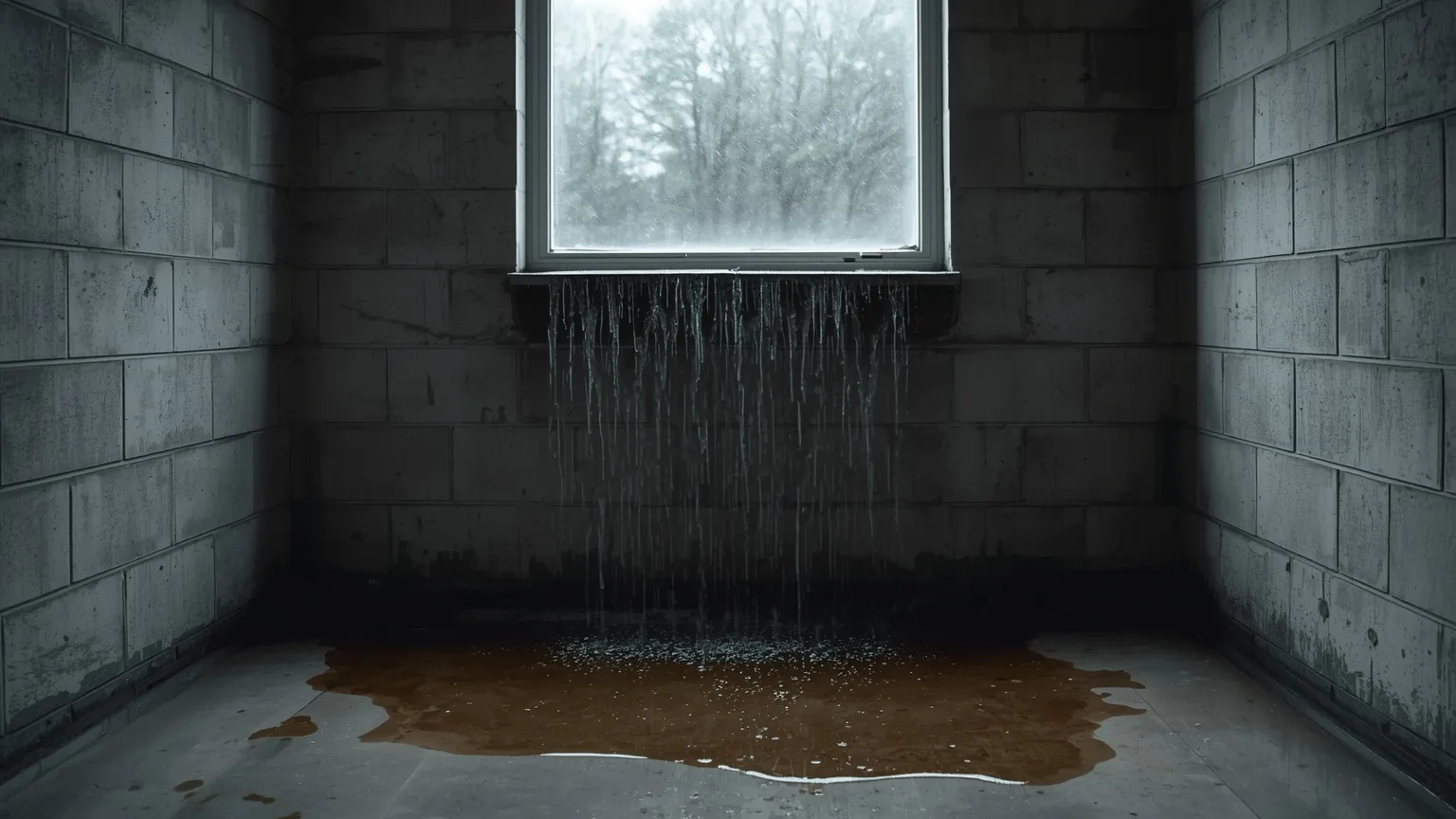
Who handles water after rain in Green Bay, WI?
Green Bay Basements diagnoses rain-triggered basement water in Green Bay by timing and entry point — separating surface-water problems, which are often inexpensive to fix, from hydrostatic pressure, which needs drainage. Call (920) 545-4548.
- Typical cost: $3,000–$12,000 in Brown County
- Soil: Kewaunee-Manawa-Poygan — silt over 5–20 ft of red lake clay, poor drainage
- Frost depth: 48" — footings and discharge lines must sit below it
- Code: Wisconsin Uniform Dwelling Code (SPS 320-325), administered by the Department of Safety and Professional Services
- Service area: Green Bay and 9 surrounding counties, 45-mile radius
Within the hour means surface water
Water appearing within an hour of rain has not travelled through soil — soil is far too slow. It has arrived over the top of the foundation, down a wall from a downspout discharging at the house, or through a window well with no working drain.
That is good news, because these are the cheap fixes. Grade should fall six inches over the first ten feet away from the house. Downspouts should discharge at least six feet out, and further on clay this tight. Window wells need gravel and a functioning drain. Together these resolve a genuinely large share of Green Bay complaints for a few hundred dollars rather than five figures.
A day later means the water table
Water appearing a day or two after rain, or through a wet spring with no particular storm, means the ground has saturated and the water table has risen against the foundation. That is hydrostatic pressure and no amount of surface work will touch it — it needs interception at the footing and a pump.
Green Bay has a third pattern that neither rule covers: water during the March or April thaw with no rain at all. That is snowmelt running across ground still frozen at depth, unable to infiltrate, sheeting toward the lowest opening on the lot. It behaves like surface water even though there has been no rain, and it is why observing dates rather than just weather matters here.
Write down the date and what the weather did each time water appears. Three entries usually name the cause, and it turns a contractor's guess into a diagnosis.
Why Brown County soil drives this
Brown County sits on the Kewaunee-Manawa-Poygan soil association — a thin silty cap over calcareous red clay laid down as lake sediment by Glacial Lake Oshkosh and the Green Bay Lobe. That red clay runs roughly 5 to 20 feet thick across most of the county and is among the least permeable material a foundation can be built into.
The Manawa and Poygan members of that association are rated somewhat poorly and poorly drained — they hold water near the surface instead of passing it down, so a wet spring loads the outside of a foundation wall for weeks at a time rather than days. A saturated clay backfill can exert well over 1,000 lb of lateral force per linear foot against a block wall — enough to bow an 8-inch wall inward with no visible cause outside.
The Fox River mouth and the bay shore keep the water table shallow across the lower East and West sides, and the flat lake plain gives water nowhere to run once the clay above it has taken all it can hold. In the older core neighborhoods the problem compounds — green bay's older neighborhoods — astor, whitney park, navarino, olde north — are dominated by pre-1940 housing on block or rubble foundations built before drain tile was ever required.
Water After Rain questions
Why does my basement only get water after heavy rain?
Because heavy rain is the trigger that overwhelms whatever margin you currently have — full gutters, grade that falls the wrong way, a window well without a drain, or clay already saturated from an earlier storm. The useful question is not whether it rained but how long after the rain the water appeared, because that separates a surface problem from a pressure problem.
Can extending my downspouts really fix it?
Sometimes, and it is always worth trying first. A single downspout dumping at the foundation can put thousands of gallons against one spot in a season, and on Brown County clay that water does not disperse. Extending discharge well away from the house and correcting grade is cheap, reversible, and resolves a real share of cases before any drainage work is warranted.
What if I have both patterns?
Then you have both, which is common on older Green Bay properties. Fix the surface issues first because they are cheap and they reduce the load. Re-observe through a full wet cycle including a thaw. If water still appears on the delayed pattern once surface water is controlled, the remaining problem is hydrostatic and needs interior drainage.
Related emergency services
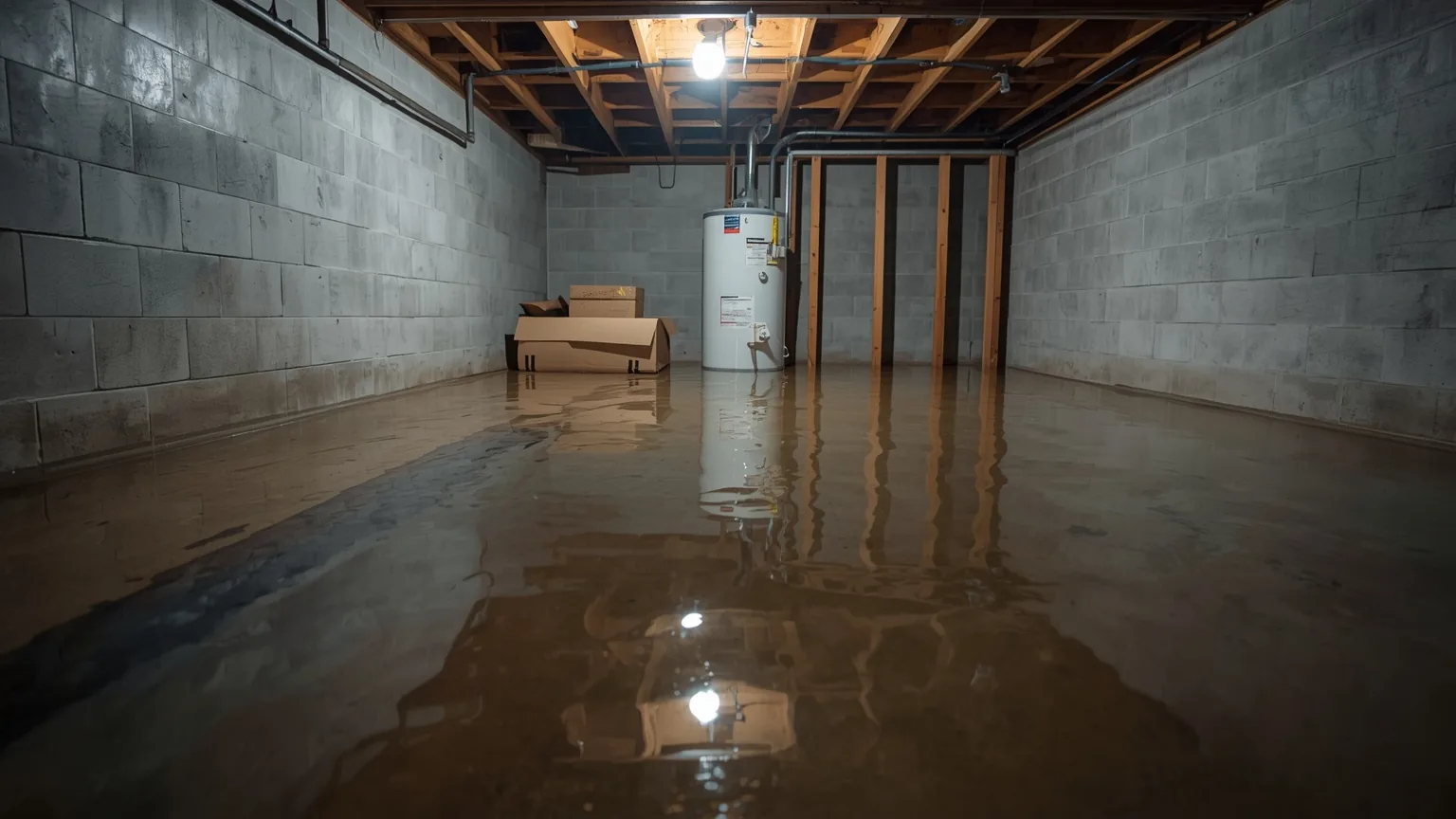
Flooded Basement Cleanup
A flooded basement is two problems at once: the water in front of you, and whatever let it in. In Green Bay both usually arrive in the same three weeks of spring.
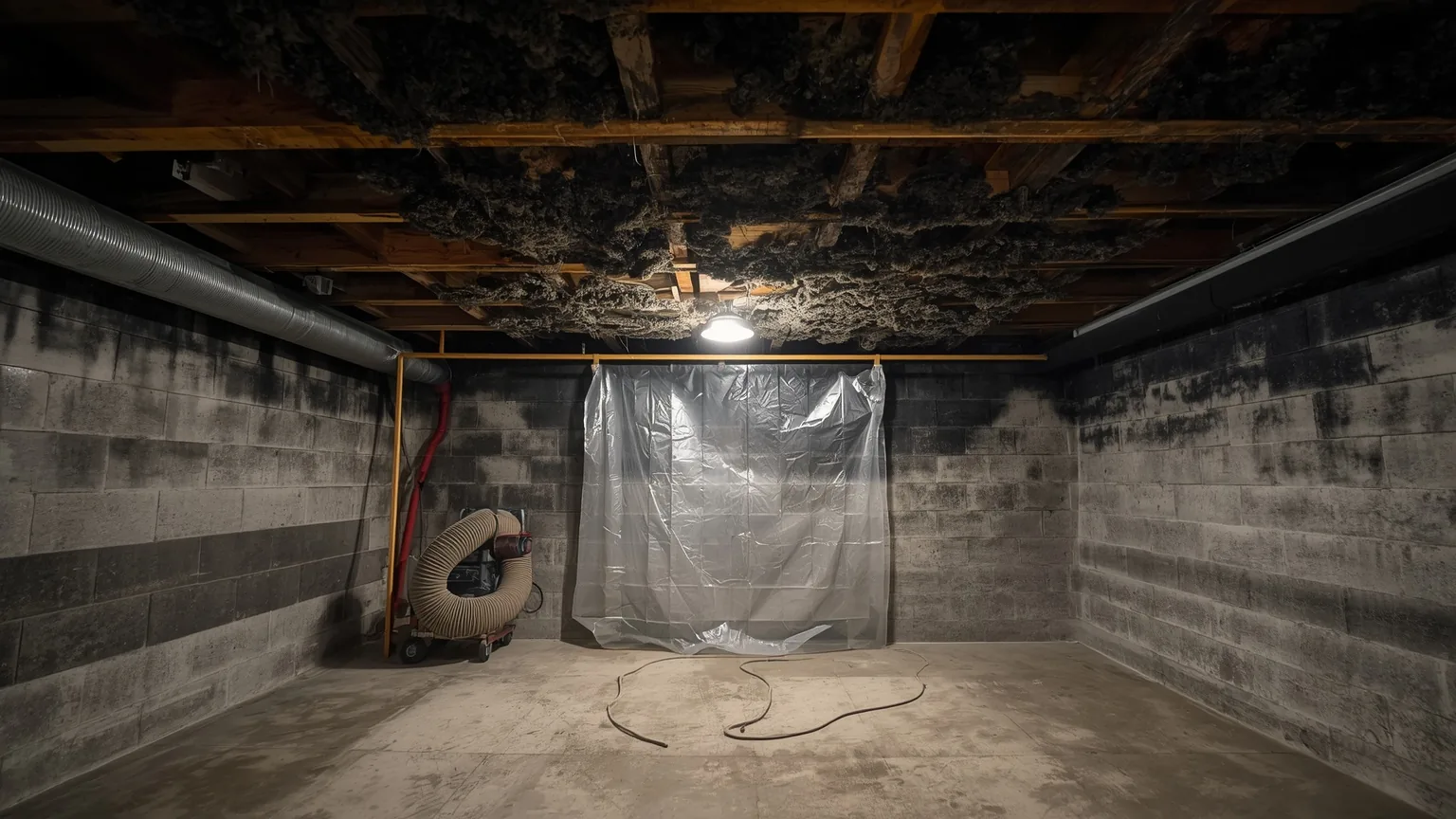
Basement Mold & Odor
A cold Wisconsin basement hides the smell most of the year. Then the house closes up for winter, the stack effect turns on, and something that has been growing since April becomes a January problem upstairs.
Find out what's actually causing it.
A free on-site inspection and a written scope — before any work is quoted.